Loading...
Serving High Point, NC and surrounding areas. (743) 600-8003
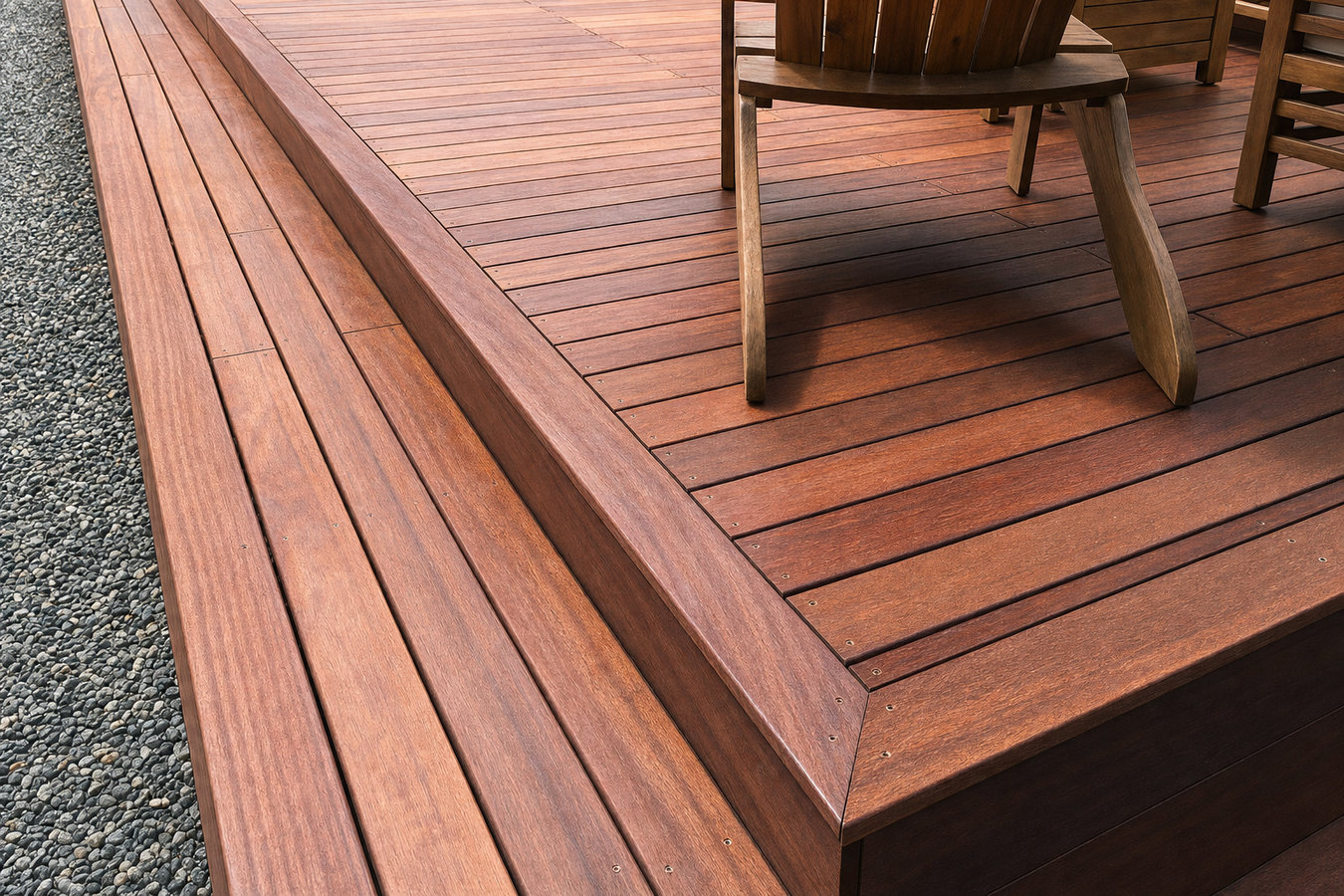
You want a real wood deck that looks great and holds up to High Point summers. We build cedar decks with proper footings, permits, and a sealed finish - so it stays beautiful for years, not just the first season.
Cedar wood deck construction in High Point delivers a naturally rot-resistant outdoor living space using real wood that takes stain and sealant well - most projects run three to five working days for a standard ground-level build once the permit is in hand.
Cedar contains natural oils that resist moisture and insects without chemical treatment, making it a good fit for High Point's humid Piedmont climate. Many homeowners choose cedar over pressure-treated pine for the warmer color and smoother surface, and over composite for the lower upfront cost. If you are also looking at low-maintenance options, our deck repair and replacement team can assess your existing structure and help you decide whether a full rebuild or targeted repairs make more sense.
The Western Red Cedar Lumber Association notes that cedar is one of the few wood species that performs well in outdoor applications without pressure treatment, which is why it has been used for decks and outdoor structures across North America for generations. That said, performance in High Point's climate depends on proper finishing and maintenance - we cover both as part of every build.
Press firmly on different spots across your deck surface. If any area gives or feels soft, wood rot has set in. High Point's humid summers accelerate decay - what looks like a surface problem today can work its way into the framing underneath within a single season if left alone.
If you notice a gap where the deck meets your home's exterior wall, or if the structure feels like it shifts slightly underfoot, the ledger connection has weakened. This is especially common on older High Point homes where the original attachment lacked proper waterproofing behind the ledger board.
Surface weathering is normal, but when boards crack lengthwise or develop splinters that catch bare feet, the wood has dried past the point where sealing alone will help. High Point's combination of hot summers and wet winters speeds this process. Replacement gives you a fresh start with properly finished cedar that will last another decade with basic care.
Many High Point homes built in the 1970s through 1990s have generous backyards with nowhere comfortable to sit. A cedar deck turns that unused space into somewhere you actually want to be - morning coffee, weekend cookouts, or just watching the kids play. It changes how you use your home every day.
We build cedar decks in a range of sizes and configurations, from simple ground-level platforms to elevated structures with stairs, built-in seating, and custom railings. If you are replacing an existing structure, we start with a full assessment of the current footings and framing to determine what can be reused and what needs to come out. For homeowners comparing materials, we also build pressure-treated wood decks for those who want a lower upfront cost, and we can walk you through the trade-offs between the two so you can make the decision that fits your budget and maintenance preferences.
Every cedar deck we build in High Point goes through the city permit process, which includes a footing inspection before concrete is poured and a final structural sign-off before you use the deck. We also apply a water-repellent sealant at project completion - not an optional add-on but a standard part of the build - because an unsealed cedar deck in High Point's climate starts showing wear within the first season. For homeowners who want even lower long-term maintenance, our deck repair and replacement service can also rebuild in composite or pressure-treated if your priorities shift during the planning process.
The most straightforward build - suits yards with minimal slope and homeowners who want a simpler permitting process and lower overall cost.
For homes where the back door sits above grade. We size footings and framing for the extra structural demands of elevated builds in Guilford County clay soil.
Integrating benches, railings, or planters into the deck frame keeps your outdoor space tidy and tailored to how you actually use it.
If your current deck has reached the end of its useful life, we remove the old structure and rebuild from the footings up - often using the existing footings if they are still sound.
High Point averages over 45 inches of rain per year, and summer humidity regularly sits above 70 percent. That moisture load is the main reason we finish every cedar deck with a water-repellent sealant before we leave the job - an unfinished cedar deck in this climate will start to gray, crack, and splinter faster than most homeowners expect. The other local factor that matters is soil: most of High Point sits on Piedmont clay, which swells when wet and contracts when dry. Footings that are not sized and placed correctly for that movement can cause the deck to shift over time. Homeowners in Jamestown and Archdale see the same soil conditions, and we account for them on every project we build across the area.
High Point also has a significant number of neighborhoods with active homeowners associations, particularly in the northern and western parts of the city. If your neighborhood has an HOA, you will likely need architectural approval before a permit is filed - and the HOA may have specific rules about deck size, color, or materials. We help you navigate that process before design begins, so you are not surprised by a rejection after the work is underway. The City of High Point Inspections Division also requires at minimum a footing inspection and a final inspection, which adds a few days to the overall schedule but gives you an independent structural sign-off. City of High Point Inspections Division
Call or submit the estimate form and we will follow up within one business day. We ask a few questions about your yard, your timeline, and whether your neighborhood has HOA requirements - no commitment needed at this stage.
We come to your yard, measure the space, and walk through size and finish options with you. You receive a written estimate that breaks down materials, labor, and permit fees - every line explained, no surprises.
Once you approve the estimate, we file for a building permit with the City of High Point. Permit processing typically takes one to two weeks. We handle all the paperwork - you should not have to navigate the permit office yourself.
Work starts with footings and framing. The city inspects footings before concrete is poured, then returns for the final walkthrough. After the deck passes inspection we do a full cleanup, apply any finish included in your contract, and walk the completed deck with you.
We reply within one business day, give you a written estimate with no pressure, and handle the permit process start to finish.
(743) 600-8003We pull permits for every cedar deck project in High Point and schedule the required city inspections. That means a city inspector - not just us - signs off on the structural work before you use the deck. Your home's records stay clean for future sales or insurance claims.
Guilford County's heavy clay expands and contracts with rain and dry spells. We size and place footings specifically for this soil behavior, so the deck stays stable and does not shift or pull away from the house over time. This is something to ask every contractor you talk to.
Many High Point neighborhoods - especially in the northern and western parts of the city - have active HOAs with rules about deck size, color, and materials. We help you confirm requirements before a board is cut, so you are not caught between us and your association after the job is done.
We finish every cedar deck with a water-repellent sealant rated for the Piedmont's rain and humidity load. An unfinished cedar deck in this climate grays and cracks within a couple of seasons. A proper finish applied at project end buys you years before the first maintenance cycle.
Every one of these details matters when a deck is attached to your home and expected to hold up for 20 years in a humid Southern climate. The Western Red Cedar Lumber Association provides guidance on care and finishing that aligns with what we apply on every cedar project - if you want to read more about why cedar is a well-regarded outdoor building material, that is a good starting point.
Have an existing deck with soft boards, loose railings, or a ledger pulling away from the house? We assess the full structure and repair or replace what needs attention.
Learn MoreLower upfront cost than cedar with solid durability - pressure-treated pine is the most common deck material in the region and holds up well with routine maintenance.
Learn MoreSpring build slots fill by late February - reach out now and lock in your timeline before the schedule closes.